A History of Tornadoes in Dallas–Fort Worth
How Dallas–Fort Worth's geography shapes tornado risk, with important storms from the Dallas–Fort Worth historical record.
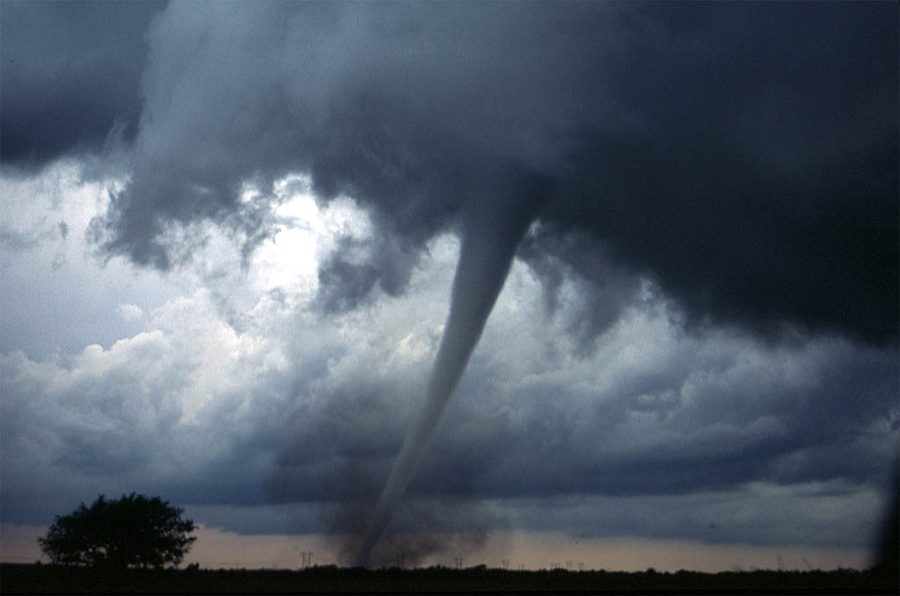
How geography shapes the risk
Dallas–Fort Worth occupies the broad southern Plains transition from prairie to dense urban development. That setting does not create tornadoes by itself. It influences where boundaries form, how storms approach and which parts of the metropolitan area are exposed as a circulation crosses from one jurisdiction to another.
The recurring weather setup is straightforward: dryline storms can draw rich Gulf moisture beneath strong winds aloft. Tornado risk depends on the ingredients present on a particular day, so a city’s past is context rather than a forecast.
March through June, with a smaller fall season.
This guide uses “Dallas–Fort Worth” for the city and surrounding commuting region; event paths do not stop at municipal lines.
Important tornadoes in the Dallas–Fort Worth region
Dallas F3
A highly visible tornado moved through west and northwest Dallas on April 2 and became one of the best-known filmed tornadoes of its era.
Fort Worth F3
A March 28 tornado hit downtown Fort Worth, damaging towers and demonstrating the exposure of a modern central business district.
Garland–Rowlett EF4
A violent December tornado crossed the eastern metro at night, killing motorists and residents along a long suburban path.
What the record can and cannot tell us
Older tornado records favor destructive storms that crossed settled areas. Short-lived rural tornadoes were easier to miss before dense radar, trained spotter networks and widespread cameras. Modern databases are more complete, but ratings still describe surveyed damage rather than a direct measurement of peak wind at every point.
For local research, search the official event database by county or province and date, then read the responsible forecast office’s storm survey. This avoids a common mistake: assigning every tornado reported near Dallas–Fort Worth to the city proper.
Sources and further reading
- NOAA Storm Events Database — search U.S. events by date and location
- NOAA Storm Prediction Center severe-weather climatology
- National Weather Service tornado safety
Event summaries are educational and should be checked against the latest official archive before scholarly or legal use.