A History of Tornadoes in Irvine
How Irvine, California's geography shapes tornado risk, with important city and regional events.
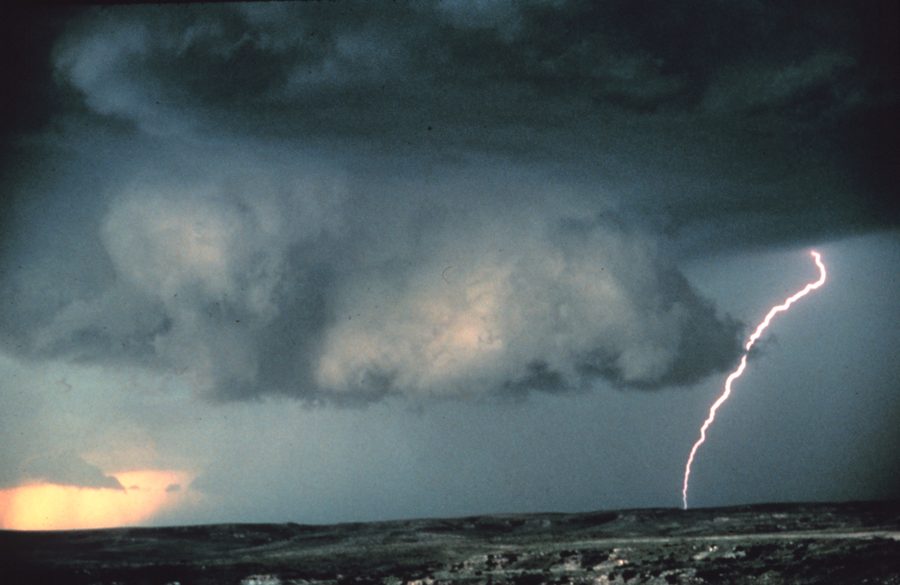
Geography and storm exposure
Irvine is part of the Pacific coast and western interior valleys. Cold-core lows, winter thunderstorms and narrow convective lines can generate brief rotation. Geography influences storm boundaries and exposure, but terrain, rivers and buildings do not create a dependable tornado shield.
Events are less frequent than on the Plains, but dense development can make a short track consequential. This page uses the incorporated city as its population reference and the surrounding region for meteorological context; those boundaries answer different questions and are labeled separately.
#62 in the United States
318,764
mainly fall through spring
Important tornadoes to place in context
1983 Los Angeles tornado
A regional reference point. Use the official database and local storm surveys to determine its relationship to the city boundary.
2008 central California tornadoes
A regional reference point. Use the official database and local storm surveys to determine its relationship to the city boundary.
2018 Port Orchard tornado
A regional reference point. Use the official database and local storm surveys to determine its relationship to the city boundary.
These events are starting points, not a claim that every path crossed Irvine's incorporated limits. Tornadoes are surveyed by path and county; metropolitan labels in news coverage often describe a broader area.
Why the historical record changes over time
Older records favor destructive tornadoes that crossed settled places. Radar, trained spotters, phones and systematic damage surveys now capture many weak or brief events that earlier observers could miss. Apparent increases can therefore reflect detection and urban growth as well as weather variability.
Official sources
- NOAA Storm Events Database
- Storm Prediction Center climatology
- National Weather Service tornado safety
- Census Vintage 2025 city estimates
This educational article is not a live warning service. Use official alerts for current decisions.